Scroll to content

National Gallery, Project Domani

A landscape connected to art

We were shortlisted through a selective competition to develop a landscape design proposal for the National Gallery’s new wing, responding to Kengo Kuma & Associates’ architectural vision. To develop our proposal, we assembled a specialist team including designer Lottie Delamain, who contributed the sculptural concept and specialist planting input, and Will O’Connor of MKA Ecology, who advised on biodiversity and habitat creation.

Rooted in the story of painting, our proposal explored how the gallery’s cultural life could extend beyond its walls, bringing art into the city through movement, planting, water and sculpture.
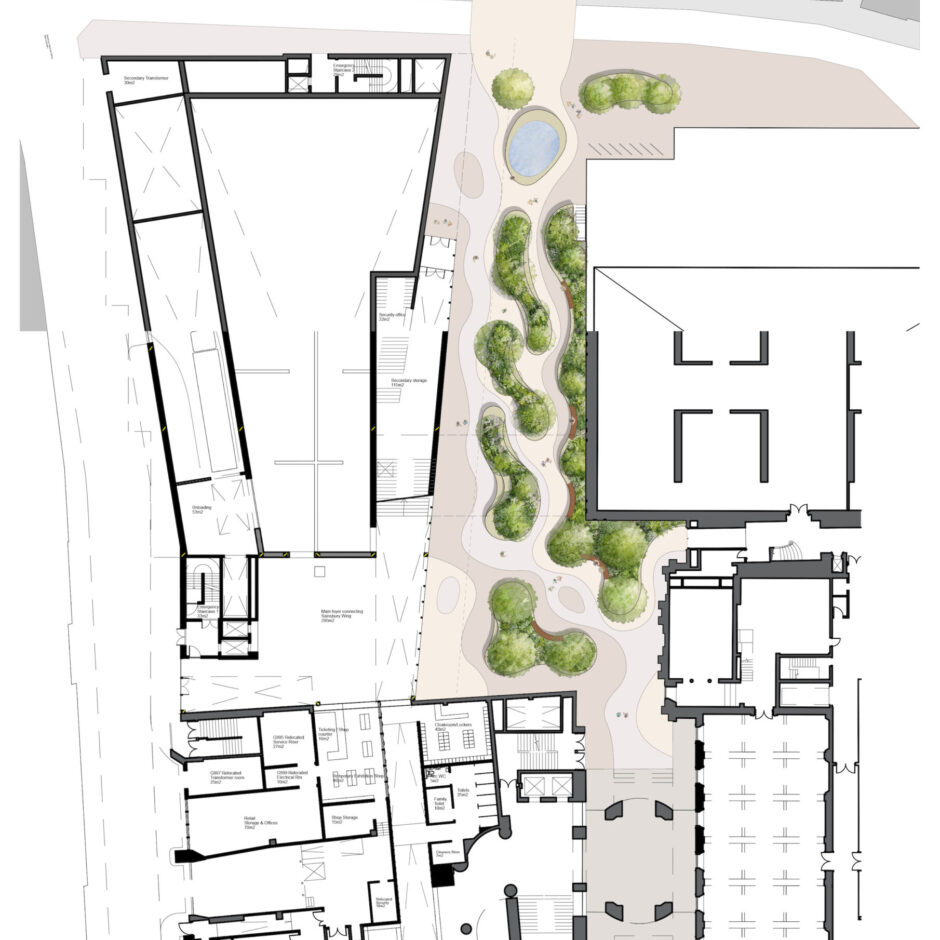
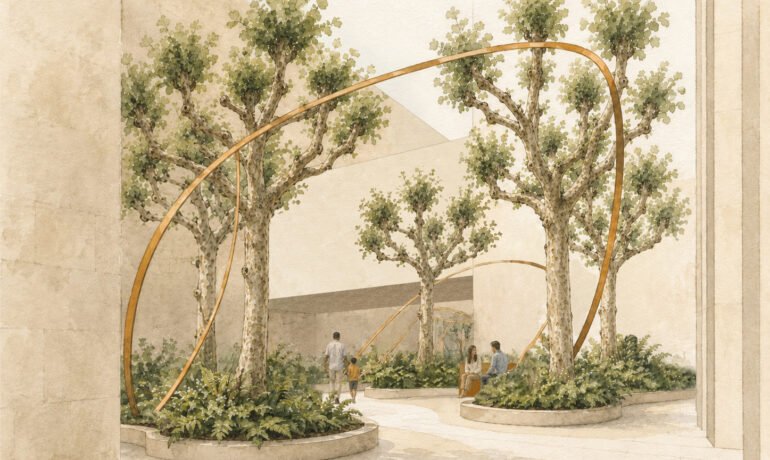
We envisioned a civic landscape that would welcome visitors and passers-by, balancing the practical demands of a major cultural institution with opportunities for creativity, ecological learning and quiet enjoyment. Together, the proposed gardens, public spaces and sculptural interventions sought to establish a stronger relationship between the gallery, its collection and the life of the city.

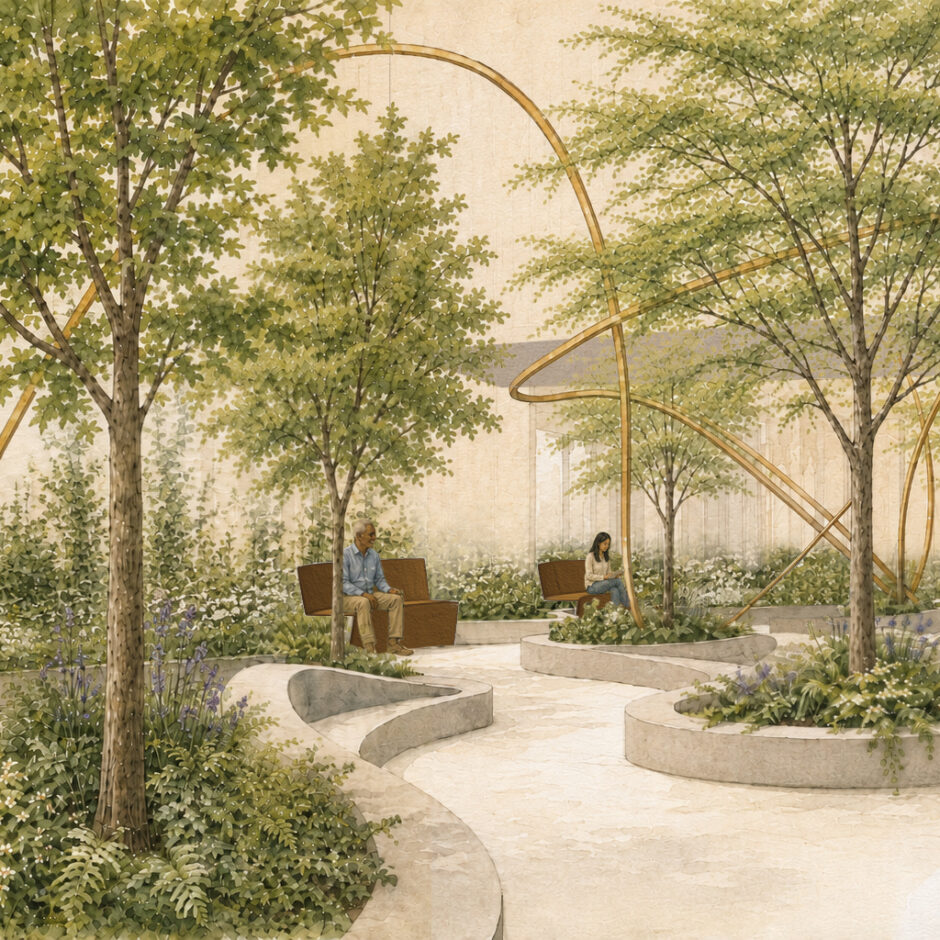
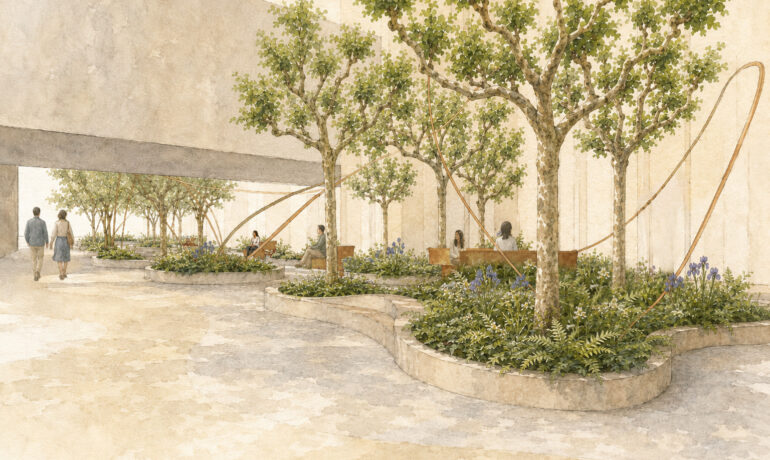
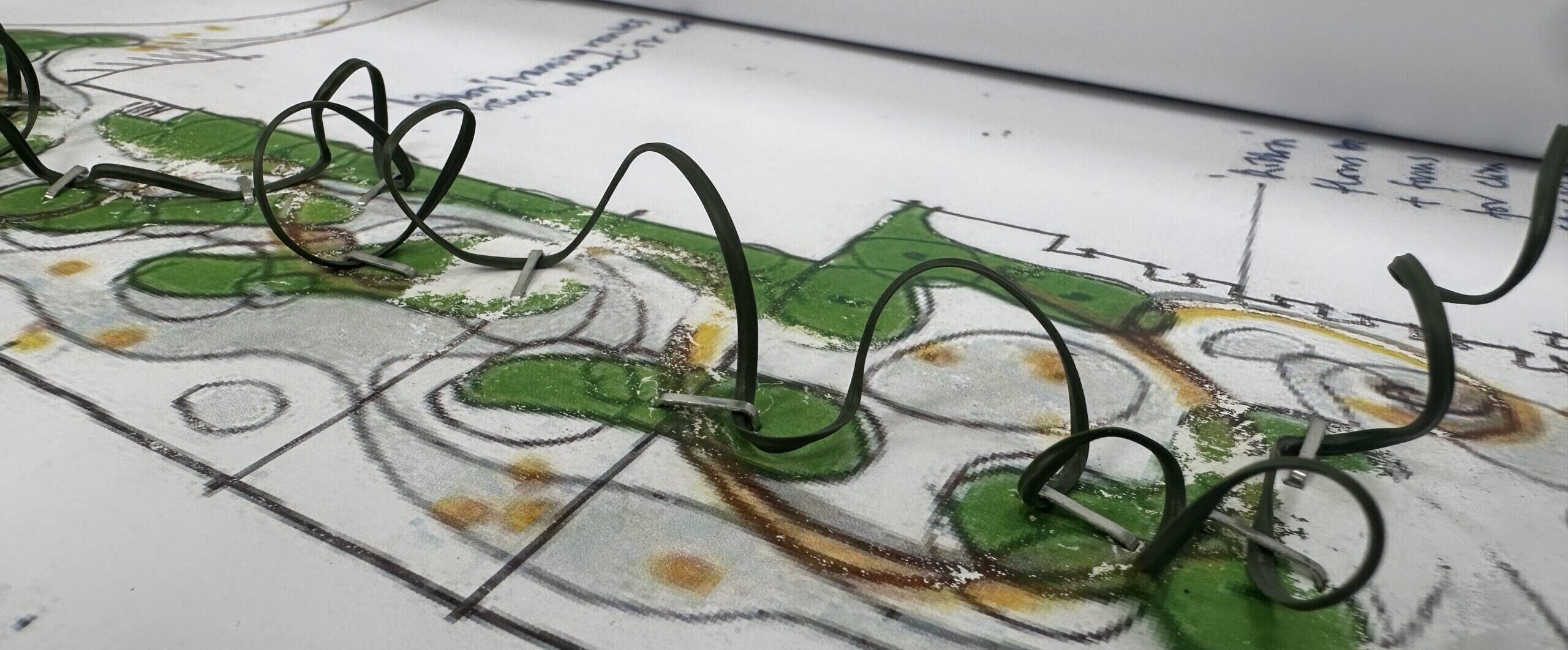
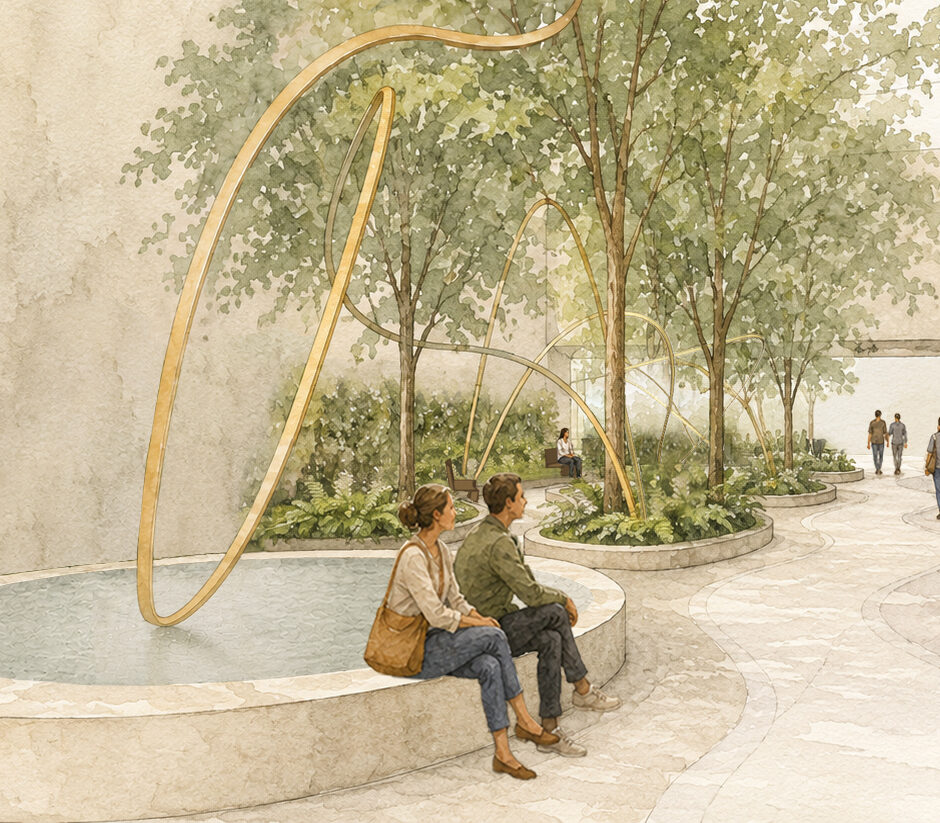
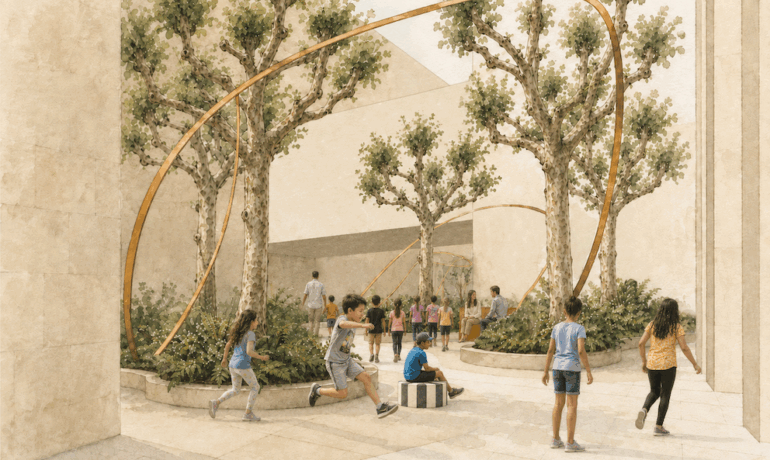
At the heart of our landscape concept was the continuum, a sculptural idea conceived by Lottie Delamain as a single, unbroken brushstroke. Drawing together marks inspired by historic paintings and contributions from the public, the continuum expressed the continuity of creativity across cultures and generations. Within our landscape proposal, it became an organising element, framing views, guiding movement and integrating lighting to connect the gardens, public spaces and architecture.

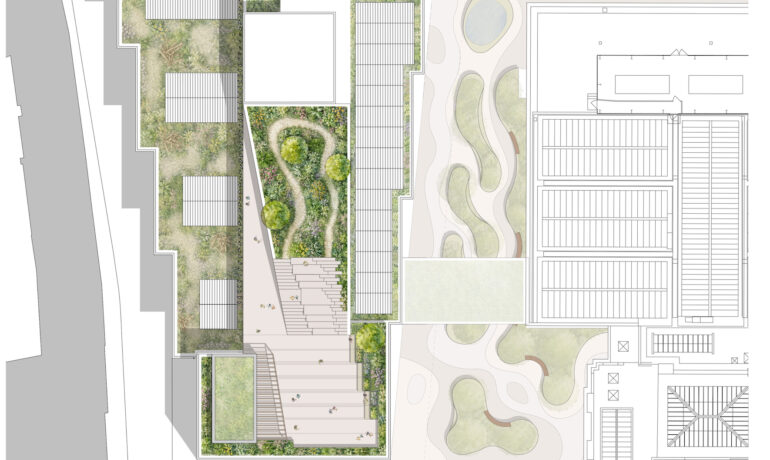
Planting was central to the landscape vision, exploring the relationship between horticulture, artistic expression and the natural world. At ground level, an immersive woodland garden beneath the existing London plane trees would explore changing light, shadow and atmosphere, creating a quieter counterpoint to the surrounding city.

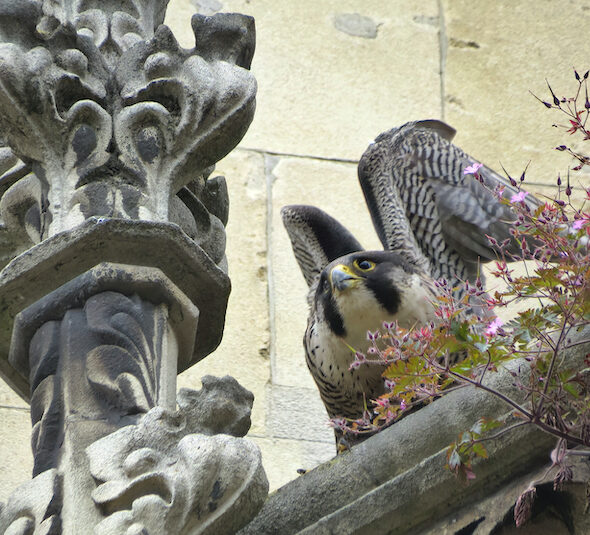
Developed with ecological input from Will O’Connor of MKA Ecology, the landscape strategy also sought to encourage biodiversity within this urban setting. Rain gardens would combine seasonal colour with sustainable surface-water management, while layered, climate-resilient planting would provide habitat and resources for pollinators, birds and other urban wildlife. The proposals explored opportunities to strengthen ecological connections and support a richer diversity of species within the heart of London, including consideration of birdlife such as the peregrine falcon.

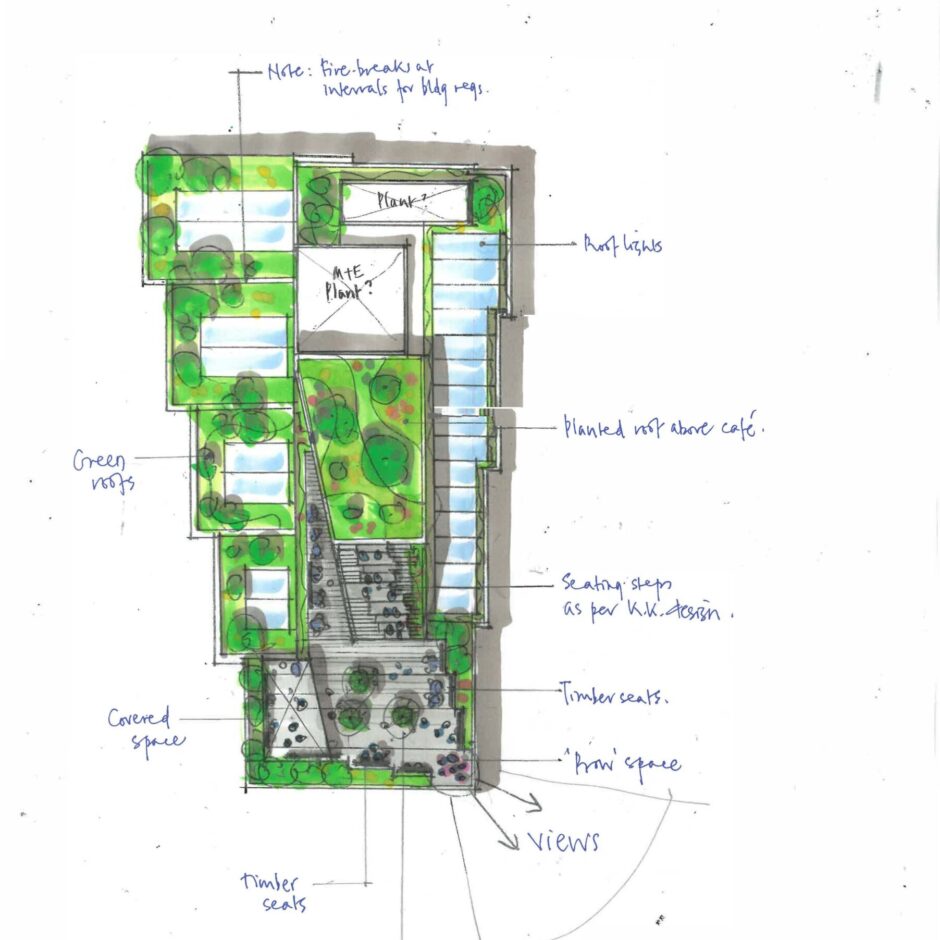
Above the city, the proposed living palette garden explored the relationship between plants and the history of art. Developed with specialist planting input from Lottie Delamain, the garden featured plants historically used to create pigments, dyes, oils and other materials used by artists.

Movable planting beds on rails would allow the roof terrace to adapt to different activities, from educational workshops and exhibitions to gatherings and events. The garden was conceived as a living resource, connecting horticulture directly with the National Gallery’s collection and educational purpose, while offering visitors an opportunity to discover the botanical origins of artistic materials.

The landscape proposal responded to the wider architectural vision of Kengo Kuma & Associates, ‘blurring the boundaries between city, nature and art’, translating this ambition into a series of accessible, engaging and ecologically considered outdoor spaces. This landscape proposal was developed as part of a selective competition. Although it was not selected for delivery, the design thinking continues to inform and inspire our approach to major public realm projects.

“We would like to thank our collaborators, Lottie Delamain and Will O’Connor at MKA Ecology, for their contributions to the development of the landscape proposal.” Robert Myers